Discover Hidden Beauty: A Font for Delicate and Modern Design
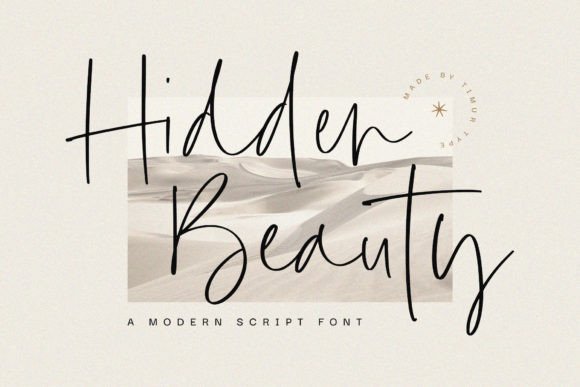
When a design calls for a touch of elegance and a distinctly personal feel, the right typeface can make all the difference. Hidden Beauty, a clean and thin handwritten font, offers a graceful solution for creators looking to add authenticity and sophistication to their work. Its delicate strokes and flowing letterforms capture a sense of intimacy, making it an excellent choice for projects that aim to feel both personal and polished.
The Essence of a Handwritten Typeface
At its core, Hidden Beauty is a script font designed to emulate the natural flow of handwriting. Unlike more casual or messy scripts, its "clean and thin" quality ensures it remains legible and versatile. This balance is key—it provides the warmth of a hand-lettered element without sacrificing clarity, which is crucial for professional applications. The subtle variations in its line weight contribute to its organic appeal, helping designs avoid a sterile, overly digital look.
Where This Font Truly Shines
The versatility of Hidden Beauty makes it suitable for a wide array of creative projects. Its style naturally complements work where a human touch is desired.
- Branding and Packaging: For boutique brands, artisanal products, or luxury goods, this font can help craft an identity that feels exclusive and thoughtful. It works beautifully on labels, boxes, and tags.
- Editorial and Wedding Design: Magazines, lookbooks, and wedding invitations benefit from its romantic and elegant character. It sets a refined tone for headlines or accent text.
- Social Media and Digital Content: In a crowded digital space, using a distinctive script font like this can make quotes, announcements, or promotional graphics stand out with a personal flair.
- Logo and Identity Design: It can be a primary or secondary font in a logo system, especially for businesses in the beauty, fashion, lifestyle, or creative services industries.
Pairing Fonts for Visual Hierarchy
A common challenge with script fonts is maintaining readability, especially in body text. Hidden Beauty is best used for display purposes—headlines, subheadings, logos, or short phrases. To create a balanced and professional layout, pair it with a highly legible sans serif or serif font. For example, a clean, geometric sans serif can provide a modern contrast, while a classic serif can enhance a more traditional aesthetic. This pairing establishes a clear visual hierarchy, using the script font for impact and the supporting typeface for longer, readable text.
Practical Considerations for Effective Use
When incorporating any display font into a project, a few practical tips can enhance the outcome:
- Scale and Spacing: Because of its thin strokes, ensure the font is sized appropriately. It may lose detail at very small sizes. Adjust letter-spacing (tracking) and line-height (leading) to improve legibility, especially in digital formats.
- Color and Background: A thin font benefits from high contrast. Test it on both light and dark backgrounds to see where its delicate lines are most visible. It often looks stunning against solid, muted colors or simple textures.
- Context is Key: Always consider the project's overall message. Hidden Beauty conveys elegance, creativity, and intimacy, making it perfect for wedding stationery but perhaps less suitable for a corporate financial report.
Making the Right Choice for Your Project
Before finalizing a font choice, consider the licensing. If the project is for commercial use—such as client work, merchandise, or products for sale—ensure you have the appropriate license. Reviewing the font's full character set, including any alternates or ligatures, is also worthwhile, as these features can add unique character to your designs.
Choosing a typeface like Hidden Beauty is about more than just aesthetics; it's a strategic decision that influences brand perception. A well-selected font communicates values and quality before a word is read. By understanding its strengths and best applications, you can leverage this creative font to build more cohesive, professional, and emotionally resonant designs that effectively connect with your audience.